• Customer Advisory
  • Trade
  • World Events

Middle East Supply Chain Updates

The situation in the Persian Gulf remains fluid, and this page will be updated as new developments occur.

25 March 2026

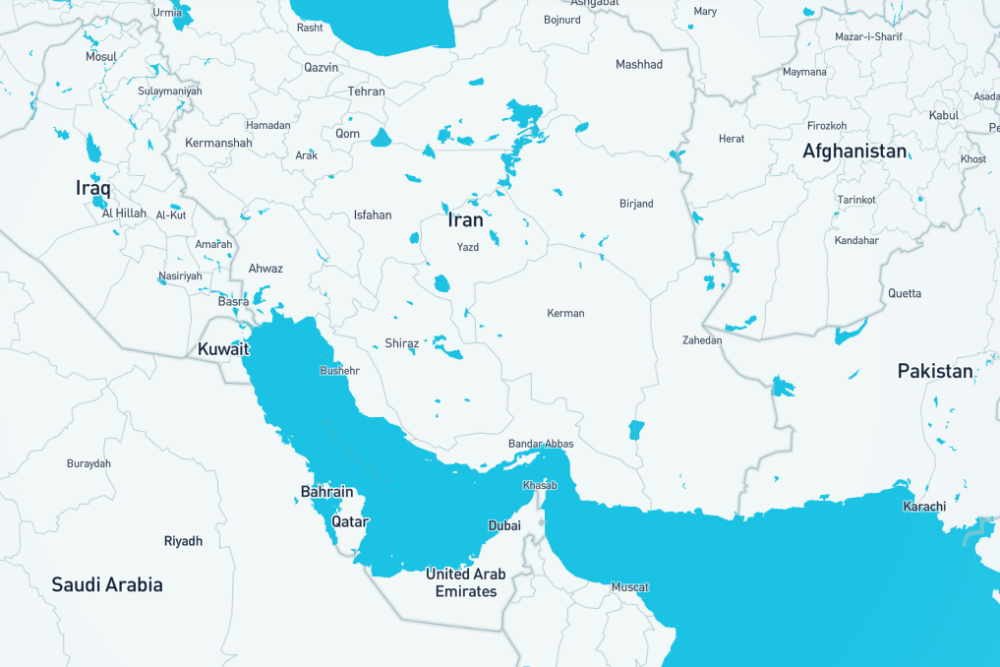
Recent military action against Iran is disrupting global supply chains, affecting Middle East airspace and key trade routes throughout the Persian Gulf, including the Strait of Hormuz and Suez Canal


OIA remains responsive: connect with your local branch or account manager to identify a solution.  

Key Impacts

  • The Strait of Hormuz is shut down, with many ships turning around or re-routing. 
  • Airline operations remain seriously impacted across the Middle East and Indian Subcontinent. 
  • Ocean freight rates to and from the Middle East, Gulf Region and Indian Subcontinent continue to rise rapidly. 
  • Houthi militants in Yemen are threatening retaliation and may resume attacks on commercial shipping in the Red Sea. 
  • Maritime risk insurance prices are rising significantly 
  • Oil tanker prices are becoming exorbitant 
  • The United States has established a maritime warning zone in the Persian Gulf, Gulf of Oman, North Arabian Sea, and the Strait of Hormuz, effectively halting shipping. 
  • Schedule variability: changes to new bookings, departure dates, arrival times, or port calls. 
  • Cost adjustments: higher freight rates, insurance costs, fuel costs, or temporary surcharges. 

Ocean Freight

  • The Eid holidays will have a regional impact on demand levels for 1-2 weeks and may impact capacity and rates.
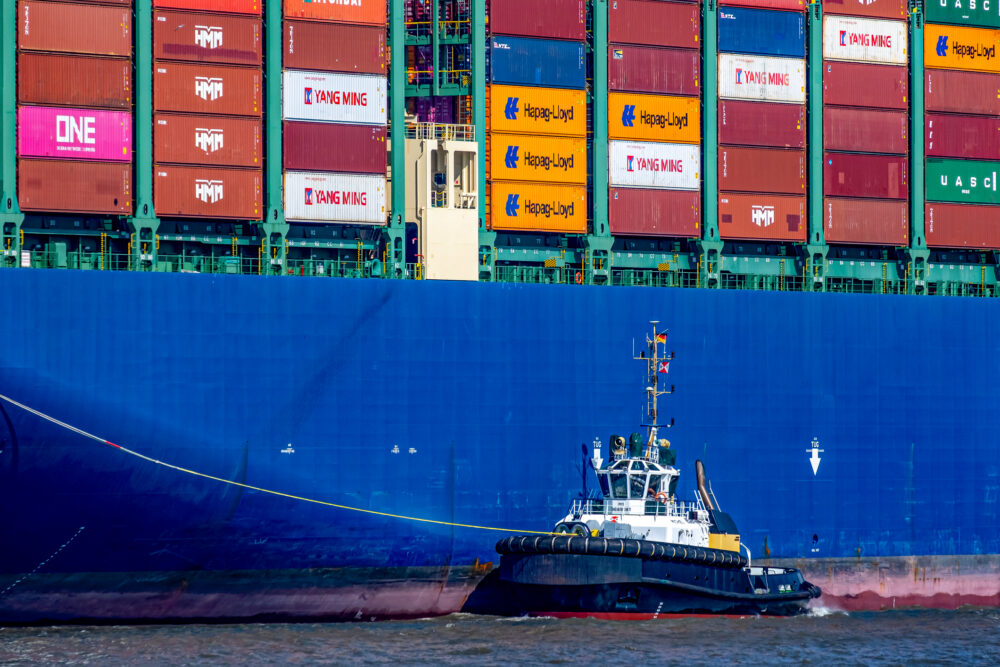
  • Many leading ocean carriers have paused sailing through the Strait of Hormuz due to security concerns. Vessels have re-routed and turned around.
  • Cargo vessels that were planning to move through the Suez Canal will revert to transiting around Africa’s Cape of Good Hope.
  • Rate levels to and from the Middle East, Gulf Region and Indian Subcontinent continue to rise rapidly.


Surcharges

  • Many General Rate Increases (GRIs) and Peak Season Surcharges (PSS) on primary trade lanes (i.e., Transpacific Eastbound) have not held into the second half of March.
  • Carriers and co-loaders are starting to announce their war surcharges on trade routes in the affected area.
  • Most carriers are expected to implement emergency fuel surcharges in April. The exact amounts and dates are still being reviewed.

Air Freight

Airspace restrictions remain in place for these countries:


Flag of bhFlag of irFlag of iqFlag of ilFlag of kwFlag of lbFlag of sy

Bahrain, Iran, Iraq, Israel, Kuwait, Lebanon, & Syria.

  • Airlines from some neighboring countries are flying (EgyptAir, Oman Air, etc.)


Flag of aeFlag of qa

Airspace is now open in the United Arab Emirates (UAE) and Qatar


Fuel Surcharges: Carriers are implementing 20-40% increases to compensate for increased costs.

Airlines continue to serve Asia-Europe routes via restricted airspace; however, capacity and rates are being affected. Capacity remains available from Asian-flagged carriers who have rights to fly over Russian Airspace and CIS carriers (Silkway, etc.)
Is your cargo impacted?

Connect with your local branch or account manager