Close
Close
Enter your shipment number.
Close

Circular Packaging Models & Sustainability
Circular packaging is not just an eco-conscious model; it‘s a smart business strategy.
4 February 2026
Did you know that 36% of all plastic produced is used to create packaging, and 85% of it ends up in a landfill? At the same time, 70% of consumers say sustainably packaged products influence their purchasing decisions. These figures paint a clear picture: packaging waste isn’t just an environmental concern; it’s a business risk and a missed opportunity if your brand is aiming to meet modern consumers‘ expectations. The shift toward circular packaging has become essential.
What Makes Packaging “Circular”?
Traditional packaging follows a “take-make-dispose” cycle. Materials are used once, discarded, and then replaced with new ones. On the other hand, Circular packaging is built around reuse, recycle, and regeneration. It keeps materials in circulation for as long as possible, turning packaging from waste into a valuable resource.
OIA helps fashion brand engineer packaging that’s durable enough to be reused multiple times, so when it reaches at the end of its life, it should either be easily recycled or made from compostable packaging materials that naturally return to the environment.

Circular Packaging in Action
Fashion and retail companies are already experimenting with creative solutions. Some are adopting reusable cartons and garment bags that withstand multiple shipping cycles. Compostable mailers and paper-based wraps are replacing polybags. Even service models are emerging, where packaging is collected, cleaned, and reintroduced into supply chains by creating a loop that eliminates single-use waste.
Beyond these early shifts, more advanced circular packaging models are also gaining importance. Some brands like Zalando are introducing digital traceability tools, like QR codes on packaging that guide consumers on how to reuse, return, or recycle materials, extending their life cycle. Others are exploring modular packaging designs, where boxes can be resized or reassembled for different shipping needs, reducing the need for multiple package types.
Additionally, fashion platforms are piloting packaging rental models, particularly for high-value garments and luxury items. Here, durable packaging like hard cases or foldable crates are loaned, tracked, and returned, ensuring minimal waste. Meanwhile, partnerships between retailers and logistics providers are driving shared packaging pools, where multiple brands use standardized reusable packaging that circulates across supply chains, lowering the total volume of single-use plastic or waste.
These innovations show that circular packaging isn’t a distant vision; it’s already happening, and the benefits are both environmental and financial.
Business Value Beyond Sustainability
Circular packaging is not just an eco-conscious model; it‘s a smart business strategy. These models, along with the packaging design optimization, can help companies save packaging costs, reduce container spacereduce transport space, lower shipping charges, and minimize product damage during transit and loading/unloading. In a competitive retail market, circular models and sustainable packaging also build consumer trust and strengthen brand image. Moreover, with regulators enforcing stricter packaging waste rules worldwide, adopting circular models reduces compliance risks and positions companies for long-term success.
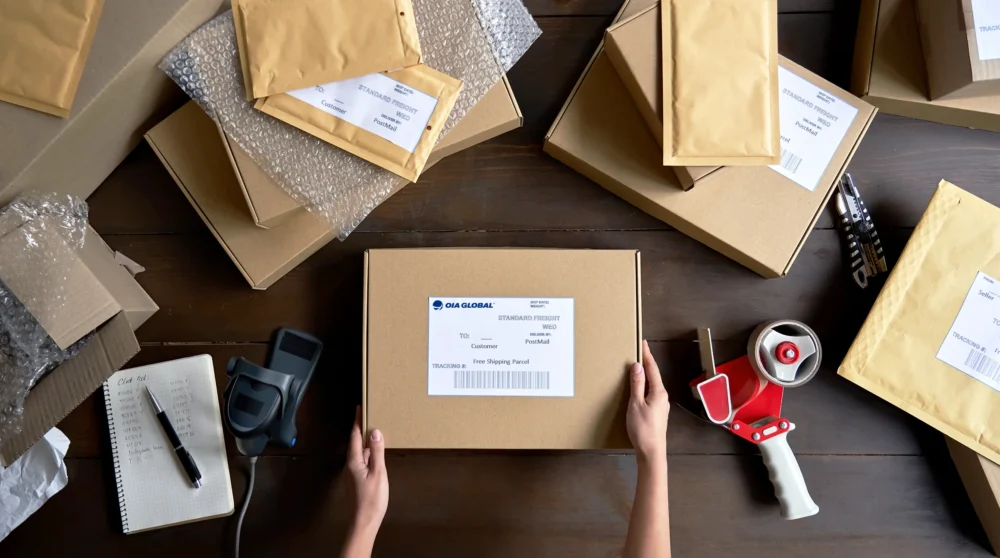
OIA‘s customer-centric approach means that we will work to understand your unique sustainability needs. Our in-house packaging designers create innovative packaging for either transportation or retail scenarios. OIA’s packaging solutions team designs packaging to reduce wasted space while also engineering innovative solutions around your sustainability targets. OIA stretches across the entire supply chain to produce packaging that complies with regulatory, commercial, recyclability, and waste standards.

Related content
-

How Brands Are Using Packaging to Meet ESG Goals
Brands that optimize packaging can see long term gains in sustainability performance, reducing their overall carbon footprint during transportation.
-

How Packaging Influences Consumers‘ Buying Decisions
Thoughtful, sustainable, customer-focused packaging elevates product perception, strengthens brand loyalty, and shapes buying decisions.
-
Achieving Sustainability Targets via Innovative Retail & Transit Packaging Solutions
Retail packaging redesign and Packaging Restricted Substance List (PRSL) management.