OIA Global’s 4PL control tower combines transportation management expertise, customs coordination, data-driven visibility, and structured operational governance to help customers navigate the complexity of cross-border supply chains.
Enter your shipment number.

OIA Global’s 4PL control tower combines transportation management expertise, customs coordination, data-driven visibility, and structured operational governance to help customers navigate the complexity of cross-border supply chains.
Managing 17,000+ cross-border truckloads per year to 26 different locations throughout Mexico and the U.S., with 10 road carriers coordinated via a centralized operating model.
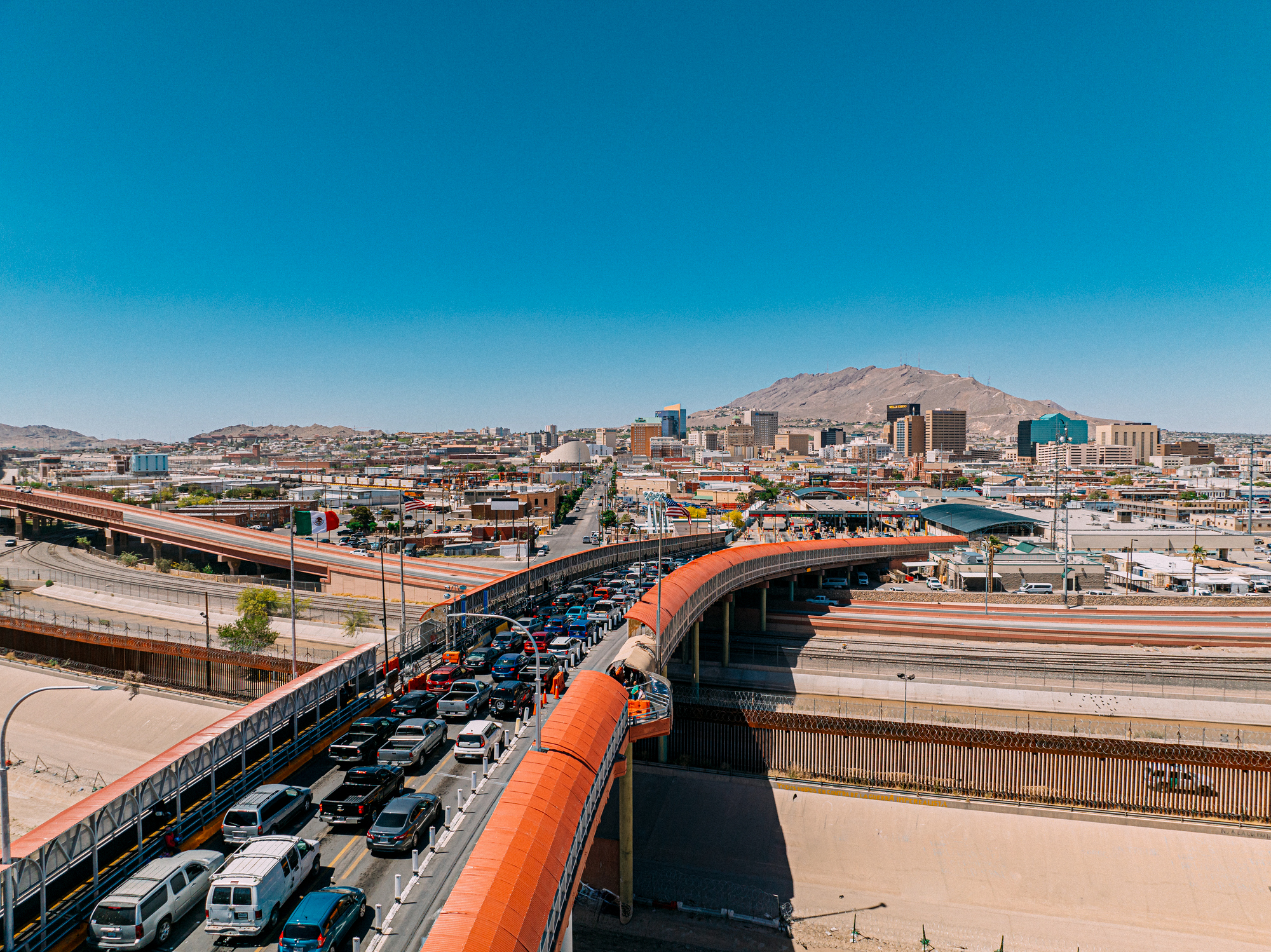
The USA Mexico corridor remains one of North America’s most complex trade lanes—shippers often lack one consolidated view from pickup to final delivery.
Different carriers use different communication methods, milestone reporting, GPS compliance levels, and escalation behaviors. When stakeholders rely on different methods, it creates information gaps and duplicated follow-up.
Northbound and southbound flows can have different bottlenecks, documentation requirements, and operating cadences, all of which require direction-specific monitoring. Volume, equipment availability, return-load planning, appointment windows, and customs release timing may also differ by direction, increasing the risk of empty miles, capacity pressure, missed handoffs, or inconsistent service levels.
Gateway Exposure: Operational issues at specific border gateways—congestion, intense inspections, drayage availability, etc.—can affect one direction of a corridor more than the other, creating uneven service risk throughout the network.
Customers may know that delays occur but lack insight into whether the root cause is carrier performance, documentation quality, broker responsiveness, border congestion, appointment availability, or internal process gaps.
Transport vs Customs Issues: Cross-border delays are often reported generically as “late” or “stuck at border,” making it difficult to identify the true levers for improvement.
OIA made cross-border complexity on a disruption-prone route manageable, coordinating high-volume freight with multiple carriers, customs stakeholders, and locations across both northbound and southbound trade. The customer saw improved shipment visibility, standardized cross-border processes, better carrier adherence, and strong operational performance across a fragmented, disruption-prone lane.
The control tower consolidates shipment information, milestone tracking, and operational communication into a unified management process. This enables stakeholders to monitor transportation activity from origin until final delivery.
The control tower coordinates transportation providers and monitors performance against pre-established operational milestones: tender acceptance, pickup execution, border transit performance, delivery commitments, etc.
Operational metrics via KPI scorecards, performance reviews, and Power BI dashboards, giving stakeholders actionable insights to support continuous improvement initiatives.
Oversight of customs-related activities, export documentation processes, trucker coordination, and border-crossing milestones, which helped to reduce delays and improve operational consistency.
24/7 visibility across transportation milestones, customs processes, and border handoffs.
With centralized visibility and governance, the customer had greater control over a highly complex cross-border transportation network. This operating model provided a scalable foundation capable of supporting high shipment volumes while still maintaining service consistency.
Enhanced visibility across origin operations, carrier movements, customs processes, border crossings, and final-mile delivery enabled faster decision-making and more proactive issue management.
Structured carrier management and exception-handling processes improved accountability and provided greater control over transportation performance.
Standardized communication and operating procedures improved coordination between carriers, customs brokers, customer teams, and control tower personnel in both Mexico and the United States.
Operations personnel spent less time manually gathering shipment information and coordinating stakeholders, allowing them to focus on higher-value activities.