Saisis ton numéro d'envoi.

Market Report - 8/2026
Ces documents super complets et informatifs mettent en avant les infos et les événements importants de la chaîne d'approvisionnement, avec des infos provenant des meilleures sources du secteur.
Tendances du marché
Carriers Own More, Charter Less
At the outset of the pandemic (January 2020), ocean carriers chartered in most of their tonnage, giving them the flexibility to grow or shrink their fleets as needed. This strategy has reversed itself as the 12 largest ocean carriers now own most of their operating capacity, about 63% of all slots, up from 43% in ‘20.
- CMA CGM, PIL and Evergreen, all own a majority of their fleets now.
- Wan Hai has eliminated all chartered tonnage from its operations and now owns its entire 124-ship fleet.
India's Growth Plan
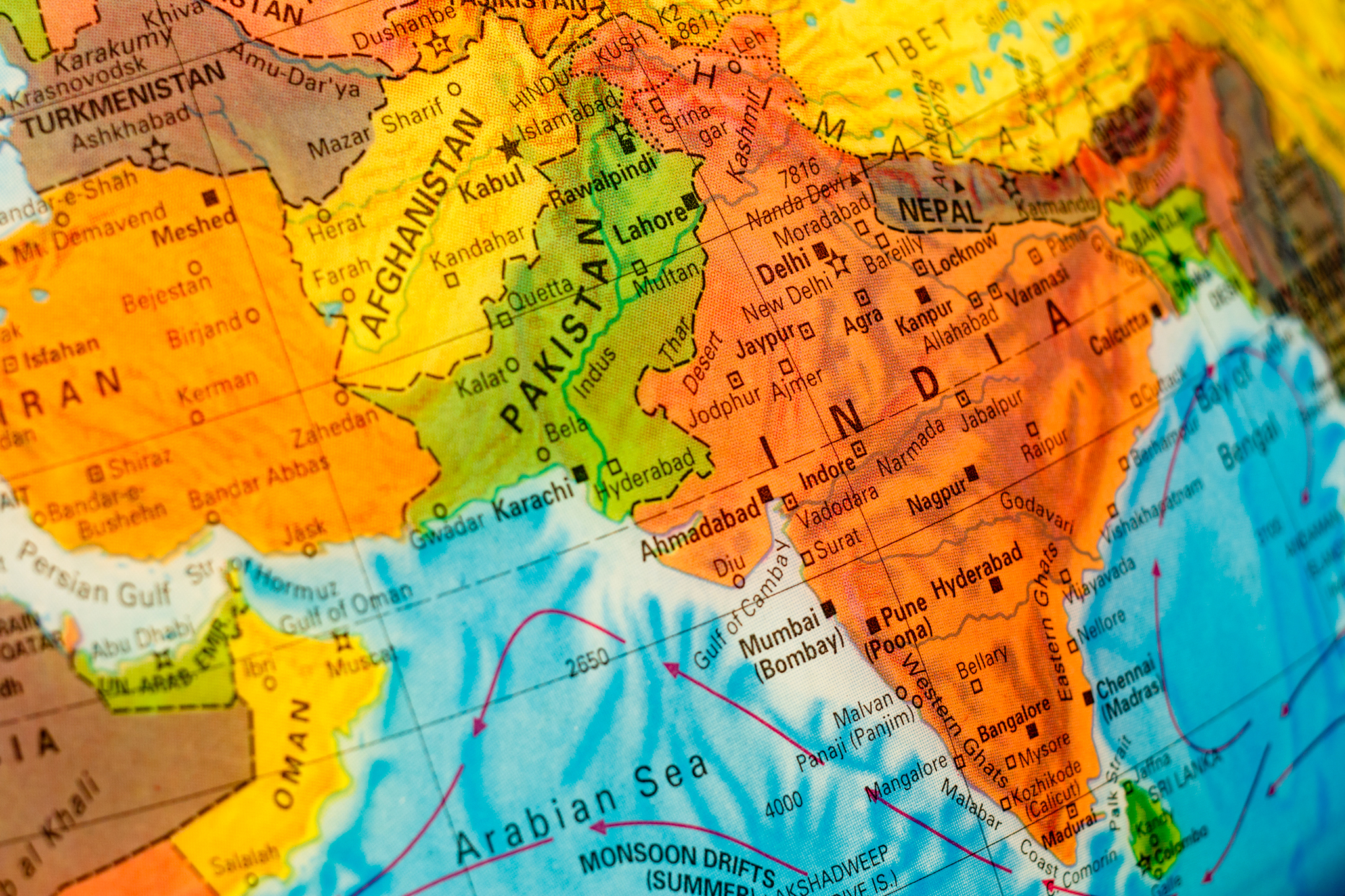
India’s government is implementing an ambitious series of initiatives to reduce dependence on foreign shipowners, establish competitive domestic shipbuilding and repair industries, and develop new ports and terminals throughout the country.
Fret maritime
Sarbananda Sonowal, India’s Minister of Ports, Shipping, & Waterways, wants to add 62 new vessels to India’s domestic maritime fleet in FY ‘26-’27, with the government providing a $5.4B investment. Overall, the goal is to add 2.85M gross tons to India’s fleet.
The Bharat Container Shipping Line (BCSL) is a joint venture aimed at reducing the country’s 93% dependence on foreign tonnage.
India’s government recently approved $5.4b to support the shipbuilding sector, including subsidies and funds for infrastructure. India currently ranks 20th in the world, building <0.1% of the world’s tonnage.
The Bharat Maritime Insurance Pool (BMI) is a domestic insurance program that will ensure Indian flagged or controlled vessels have access to affordable maritime insurance, even when transiting volatile routes.
Fret aérien
India’s government wants to move 10M tons of air cargo annually by 2030. The sector currently handles around 4M tons.
The country is opening 50+ new airport facilities
Air India has roughly 600 new aircraft on order
Permanent Elevation in Asian Blank Sailings
Blank sailings are now a persistent, structural component of Asian maritime trade as ocean carriers are blanking up to 4.6x the amount of tonnage they’re adding to the trade.
- The Asia-Mediterranean trade lane now operates with a withdrawn capacity floor of 580,484 TEUs, more than double the volume blanked in H1 ’19.
- Withdrawn volume on the Asia-NAEC trade was 863,396 TEUs in the first half of this year, increasing from 273,725 TEUs in H1 ‘19.
- During the first half of 2026, Asia-NAWC and Asia-North Europe recorded capacity withdrawals of 1.04m TEUs and 1m TEUs, respectively.

HMM, the world’s 8th-largest carrier, will spend approximately $20b through 2030 to grow its fleet.
- Notably, HMM’s purchasing strategy will pivot away from ultra-large container ships and instead focus on medium-sized and feeder vessels to develop a new hub-and-spoke network.
- HMM currently has 22% of its fleet on order
Market Trends (continued)
Europe’s Most Important Rivers Run Dry, Again
Two of Europe’s most important inland waterways—the Danube River and Rhine River—have exceptionally low water levels, which continues to disrupt commercial shipping and restrict port operations.
- The Danube in Romania fell to its lowest level since 1996.
- The Rhine is the main water artery linking the Amsterdam-Rotterdam-Antwerp port complex with Germany, France and Switzerland.


The EU’s introduction of new fees on low-value shipments triggered a sharp contraction in Asia-Europe freighter movements: down 14% in June, equivalent to about 18 fewer widebody freighters per day.

UK exports to the U.S. dropped by 10.3% (£6.8b) year-over-year.
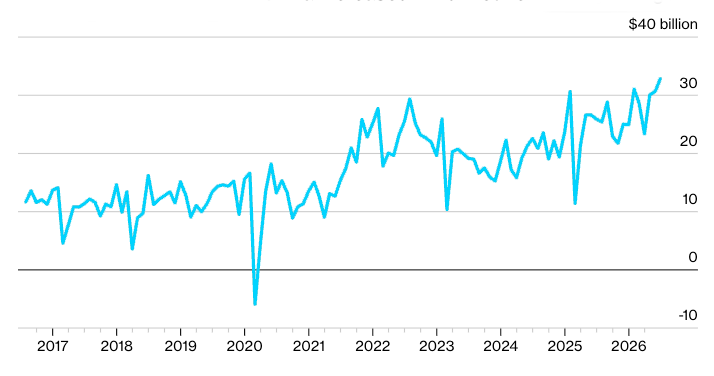
China’s Trade Surplus with the EU Widens to New Record
June metrics were +27% year-over-year (YoY). China’s surplus with Germany more than doubled while it plunged 81% with France.
Source: China’s General Administration of Customs, Bloomberg.
Air cargo traffic is forecast to grow 3.7% annually through 2045, outpacing trade and economic growth, and the global freighter fleet is expected to grow to >4,000 during the same timeframe.
According to Boeing’s figures, the company expects 2,930 global freighter deliveries, including newbuild and conversion aircraft, while 1,315 freighters will be retired.



China-Europe shippers continue to divert freight through the Kazakhstan/Russia/Belarus rail corridor, with Eurasian rail traffic growing 50% this year. Rail routes through Eurasia typically take 12-15 days, whereas sea routes via the Suez Canal are currently averaging 40-45 days.

Russia has assembled an unprecedented fleet of oil tankers in the Arctic as it accelerates crude exports to Asia via the Northern Sea Route (NSR).
Lois et législation
President Trump signed an executive order, Securing America’s Defense Supply Chains and Ensuring Domestic Acquisition of Critical Materials, which will require the U.S. Department of Defense and its contractors to map out the supply chain, screening suppliers and subcontractors for financial, manufacturing, and supply risk, as well as foreign ownership, control or influence.
Laws & Legislation (continued)
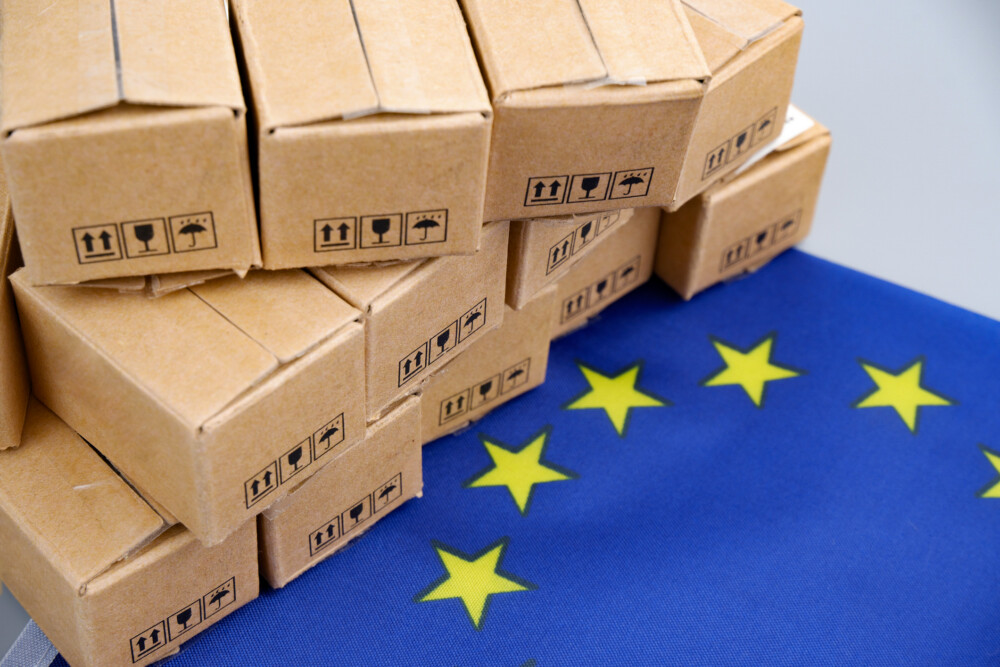
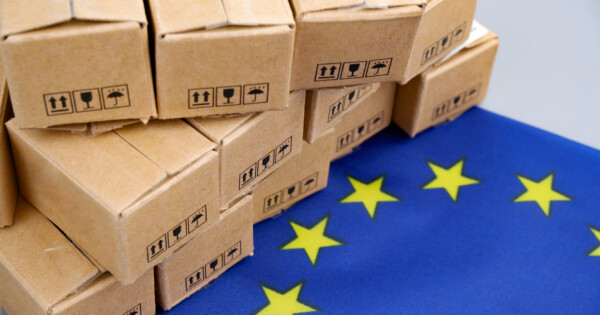
On July 1st, the European Union made significant changes to its customs rules for low-value goods, removing the duty-free exemption.
- For parcels valued at €150 or less, a flat €3 duty will apply per item within a shipment. If a package contains multiple items from different product categories, the duty applies to each distinct category.
What this means for customers: high-volume, low-value shippers will see an immediate impact on their duty bills. OIA offers customs brokerage consultations to help shippers navigate the EU’s complex regulatory environment.
- The flat fee is a temporary regime that’s applicable until July 1st, 2028, pending future implementation of broader customs reforms.
U.S. Strengthens CBP Capabilities & Federal Enforcement
The U.S. is preparing new federal customs regulations, increasing restrictions on foreign importers, and establishing higher penalty thresholds for those who are noncompliant. A recent executive order will strengthen U.S. Customs and Border Protection’s (CBP) capabilities in several ways, with an emphasis on the importer of record (IOR).
Importer of Record (IOR) Changes
- IOR is required to maintain a minimum level of tangible domestic assets, bonds, or both, to ensure compliance with U.S. trade laws. Increases the minimum required bond coverage for an IOR.
- IOR is required to provide CBP with additional data: anticipated import volumes, year organized, ownership and beneficial ownership disclosures, business affiliation disclosures, domestic asset disclosures, etc.
- Creates stricter rules for foreign IORs and companies importing higher volumes of low-value articles.
- Foreign IORs can no longer use an informal entry process for low-value imports and must meet stricter formal-entry requirements. Cannot rely on continuous customs bonds without CBP’s approval.
- IORs may be required to participate in or use brokers that are validated through CBP’s C-TPAT program.
- Establishes heightened import disclosure and certification requirements: foreign tax and global business identifiers, detailed information about the imported good’s supply chain and production methods, such as the manufacturer’s product identifier (e.g., model or style number) or key specifications (e.g., composition, grade, or size).
Forced Labor
CBP Guidance: Forced Labor Enforcement Operational Guidance for Importers
CBP encourages importers to review the new guidance and evaluate whether their current supply chain due diligence and documentation practices align with CBP’s expectations.
Key Considerations:
- Evaluating supplier, manufacturer, and sub-tier supplier relationships for potential forced labor risks.
- Maintaining supporting documentation demonstrating product origin and supply chain traceability.
- Developing internal procedures for responding to CBP detention, exclusion, or redelivery notices.
- Assessing whether existing compliance programs are sufficient to support responses to UFLPA, WRO, Finding, and CAATSA enforcement actions.
Ultimately, the Importer of Record is responsible for exercising reasonable care and maintaining the documentation necessary to substantiate compliance with applicable forced labor laws and regulations.
Risk of Non-Compliance
Failure to adequately address forced labor risks may result in:
- Shipment detentions, exclusions, or seizures by CBP.
- Issuance of Notices of Redelivery.
- Delays in cargo release and supply chain disruptions.
- Increased compliance costs and administrative burdens.
- Potential loss of merchandise if admissibility requirements cannot be satisfied.
- Increased regulatory scrutiny of future imports.
- Importers should ensure they can readily provide supporting documentation and supply chain evidence when requested by CBP.
Trade Fraud Task Force
The U.S. Department of Justice (DOJ) has established a Trade Fraud Task Force to address these critical issues:
- Illegal transshipment maneuvers used to mask the true origin of goods
- Insufficient customs bond requirements (misclassification or undervaluation)
- Importers’ use of shell companies
- Products produced by forced labor
Enhanced Enforcement Measures
- Liquidating damage claims against bonds for noncompliance
- Restricting in-bond utilization
- Increased audits
- Imposing maximum penalties for brokers who fail to conduct due diligence, repeatedly represent noncompliant clients, or fail to cooperate in a timely manner with CBP.
L'infrastructure

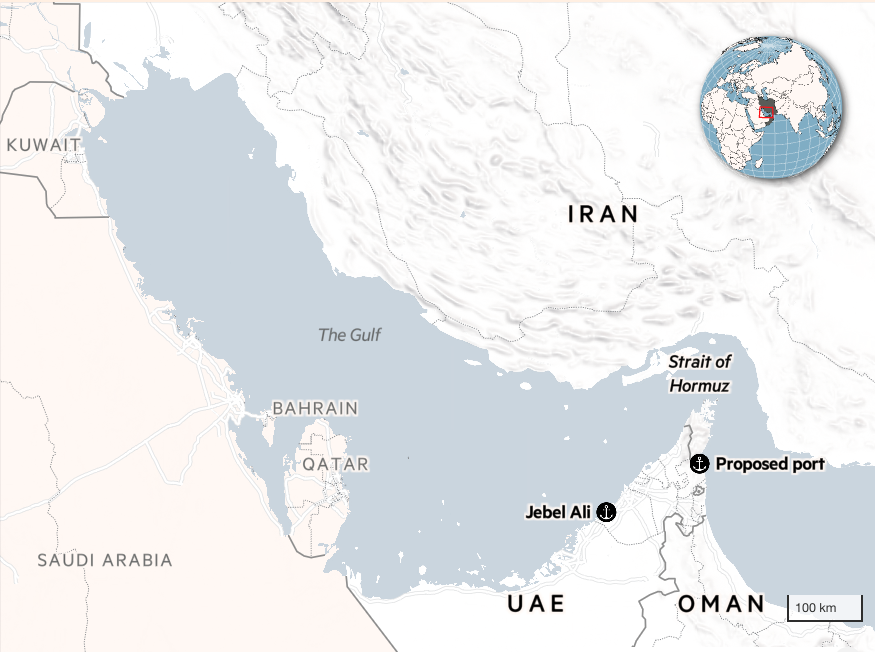
DP World wants to build a new port and a container terminal on the United Arab Emirates’ east coast near Fujairah to reduce dependence on Dubai’s Jebel Ali hub and bypass the Strait of Hormuz. The new facilities will potentially become operational in 2027.
- DP World recently signed a 50-year agreement to develop two new terminals with the Fujairah Ports Authority, adding about 3M TEUs long-term.
Infrastructure (continued)

Baltic Container Terminal (BCT) at the Port of Gdynia, Poland, upgraded its handling facilities—quay cranes, yard equipment, etc.—and can now handle some of the world’s largest container ships.

The long-awaited Gordie Howe International Bridge is finally opening, adding another much-needed connection between Detroit and Windsor, Ontario. The 1.5-mile-long bridge includes modern ports of entry on both sides of the border equipped with advanced screening and border management technologies.

Once complete, India’s Galathea Bay Port (GBP) will compete with Colombo, Port Klang, and Singapore for transshipment cargo:
Situated on the southern tip of Great Nicobar Island, a Delhi-controlled territory 200km northwest of the Malacca Strait’s northern entrance, GBP will be well positioned to move cargo to both Indian coasts. Phase one of construction is expected to start in 2028.
On July 16th, Port of Savannah opened the Brampton Road Connector, a new four-lane highway linking Garden City Terminal’s Gate 3 directly to the interstate system.
- Truck drivers now have a more streamlined route to inland markets, and it removes rail crossings and truck traffic from local neighborhoods.
Georgia Ports Authority (GPA) recently passed the halfway mark on its $1.6B expansion of Savannah’s ocean terminal. Redevelopment of the 200-acre facility is expected to increase Savannah’s annual container capacity from 200,000 TEUs to 1.75M TEUs.
- The upgraded yard is expected to partially open in late 2027, with full completion by the end of 2028.
These projects are just a small part of Georgia Ports Authority’s (GPA) $5b master plan to become the leading gateway in the U.S. East.

HMM’s Recent Terminal Investments
- HMM will develop and operate a new port complex at India’s Vadhvan, about 62 miles north of Mumbai, with a design capacity of 23m TEUs.
Durabilité
Following industry feedback, the U.S. Environmental Protection Agency (EPA) plans to revise its nitrogen oxide tailpipe emissions regulations by rolling back warranty requirements for new heavy-duty trucks and softening compliance standards.
Los Angeles/Long Beach Leading in ESG Initiatives
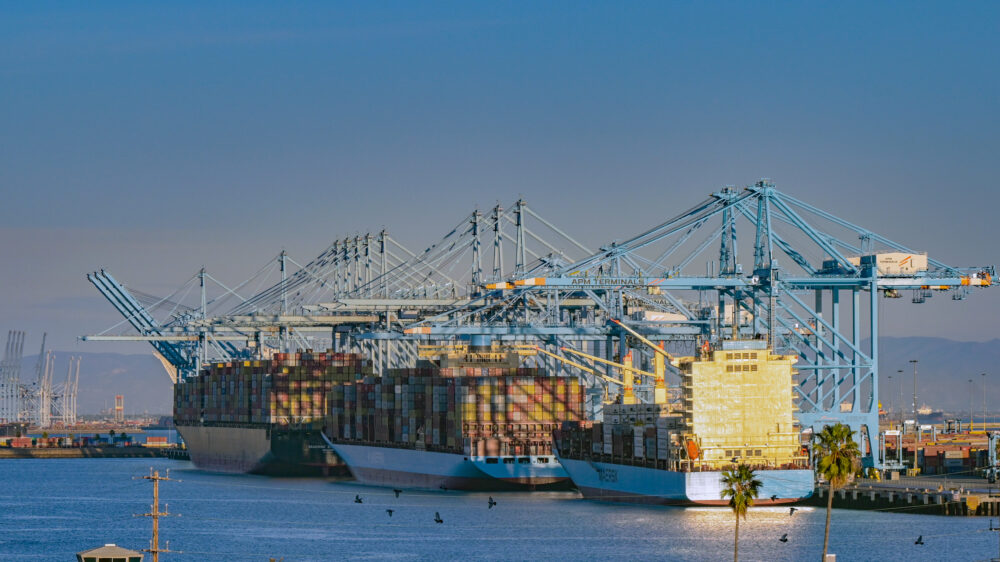
The Ports of Los Angeles and Long Beach are incentivizing drayage truckers to adopt electric trucks by offsetting their costs.
- The median price of a 2025 model year battery-electric Class 8 tractor in the U.S. was $411,200, while a diesel equivalent cost $172,500.
Notably, LA/LB hopes to become the world’s first zero-emissions port. Different partnerships aim to improve supply chain efficiency while also reducing air pollution and greenhouse gas emissions.
- Authorizing $58M to expand its zero-emissions cargo handling equipment and replace diesel-powered harbor craft with lower-emissions ships.
- Financially incentivizing trucking companies that deploy zero-emission vehicles at their marine terminals.
- Establishing a “green trucking corridor” between Los Angeles and California’s Central Valley.
Technologie des transports
The European Free Trade Association recently launched a new digital Free Trade Dashboard, designed to help companies identify tariff savings and check how effectively they are using free trade agreements. Tariff preferences are not applied automatically, so businesses should review their trade flows, origin documentation, and customs processes to ensure they are fully benefiting from available agreements and not incurring unnecessary duties.
Shippers are encouraged to explore the tool and assess potential savings by country, product, and trade agreement.

Transport Technology (continued)
U.S. Working to Make Nuclear-Powered Vessels Commercially Viable
The U.S. Department of Transportation’s Maritime Administration (MARAD) is working to make nuclear-powered merchant ships commercially viable. The U.S. wants to build a complete commercial ecosystem for Small Modular Nuclear Reactors (SMR) within commercial shipping and is actively soliciting information about the regulatory, shipyard, insurance, and port frameworks needed to make it happen.
The Port of Long Beach has become the first U.S. seaport to formalize a partnership with MARAD and test SMRs for commercial vessels and other potential uses. The Coast Guard, the Department of Energy and the Nuclear Regulatory Commission will collaborate to define operational protocols, safety standards and inspection processes needed to support the safe arrival and servicing of SMR-powered vessels at U.S. ports, as well as to develop and share other best practices.

HD Hyundai’s shipbuilding business signed an agreement with Siemens Digital Industries Software to create a platform that will digitally connect the entire maritime shipbuilding process. The tool will cover the full spectrum: vessel design and production to supply chain management, quality control and maintenance, and sea trials, all combined into a 3D-model-based data environment.
With consistent information across every stage of the process, shipyards will be able to transmit design changes and real-time updates directly to the production floor and supply chain stakeholders, enabling informed decision-making and helping to prevent schedule delays or quality issues.
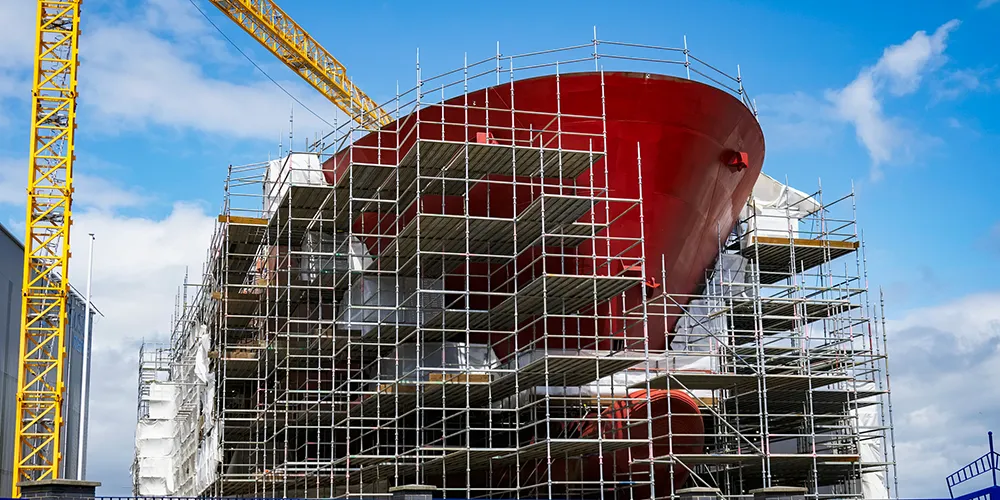
Nvidia, a leading AI and computer technology company, and Kawasaki Heavy Industries announced a joint effort to build a “next‑generation digital shipyard” at Kawasaki’s Sakaide Works in Japan. Co-development initiatives include AI‑powered robots for shipbuilding tasks such as welding, painting, inspection, and material handling.
- Nvidia will contribute its AI and simulation stack, including products for applications in digital twins, robotics, vision/AI, and edge AI, which applies AI models and algorithms directly to devices such as sensors, cameras, robots, vehicles, or industrial controllers.
- Kawasaki will contribute decades of shipbuilding data, production knowledge, and its own robotics capabilities.
Fusions et acquisitions
Per a press release, Canadian National (CN) will now support the pending Union Pacific (UP) and Norfolk Southern (NF) merger in exchange for expanded access to its network, particularly throughout the Midwest.
- CN gains access to shipper facilities where Class I railroad options would be reduced from 2-to-1 or 3-to-2, where commercially and operationally feasible;
- CN acquires Norfolk Southern’s ownership interests in the Kansas City Terminal Railway Company (KCT) and the Terminal Railroad Association of St. Louis (TRRA);
- CN gains new access in the Midwest through overhead rights between Tuscola, Illinois, and East St. Louis, Illinois, and rights to serve customers between St. Louis, Missouri, and Kansas City, Missouri. For the first time, CN will have a footprint in the heart of Kansas City via UP’s Neff Yard.
CN intends to collaborate throughout the Surface Transportation Board (STB) approval process to ensure that the agreement takes effect.
Recent Concessions
UP and NS will expand their Committed Gateway Pricing, preserving options for 3-to-2 shippers—those who will be served by two railroads rather than three after the merger—as well as 2-to-1 shippers. The revised plan should double the number of eligible shipments and include bulk unit train shippers.
The merging railroads also offered to provide temporary access to other rail services in the event of service issues, and access to a rate relief process if the merger’s benefits are not delivered on time.

Mergers & Acquisitions (continued)
Deutsche Lufthansa AG and Air France-KLM submitted binding offers for a minority stake in TAP SA, setting up a competition between the two aviation groups. Portuguese state holding company Parpública now has 30 days to assess the proposals and submit a report to the government.
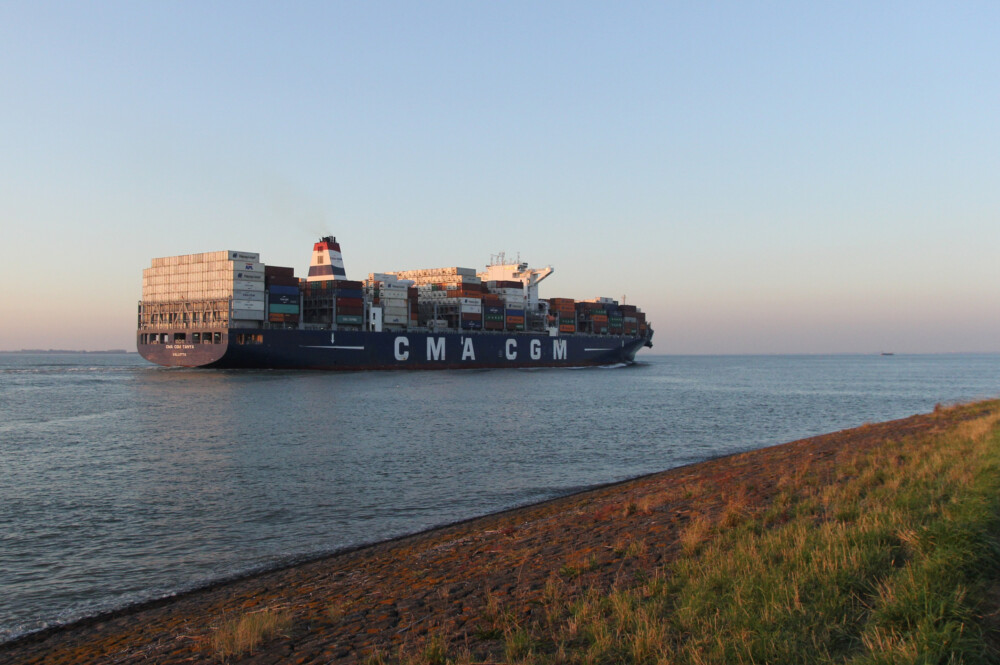
CMA CGM Group launched a joint venture, United Ports LLC, with investment firm Stonepeak to accelerate the development of its various ocean container terminals.
- Fenix Marine Services (Los Angeles, USA)
- Port Liberty terminals (New York, Bayonne, USA)
- Santos terminals (Brazil)
- CSP Valencia and CSP Bilbao (Spain)
- Terminal Marítima del Guadalquivir (Spain)
- TTI Algeciras (Spain)
- Nhava Sheva Freeport Terminal (India)
- CMA CGM Kaohsiung Terminal (Taiwan)
- Gemalink (Cai Mep, Vietnam)
CMA retains a 75% ownership stake and full operational control while Stonepeak has a 25% stake via a $2.4b investment.
Contenu connexe
-
Recent Changes in the EU’s Customs Rules
EU finalizes its trade agreement with the U.S. and introduces new customs rules for low value goods
-
Mises à jour sur la chaîne d'approvisionnement au Moyen-Orient
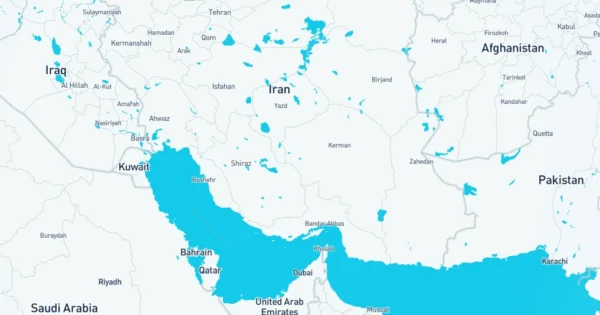
The situation in the Persian Gulf remains fluid, and this page will be updated as new developments occur.
-

Rapport mensuel sur le marché
Ces documents super complets et informatifs mettent en avant les infos et les événements importants de la chaîne d'approvisionnement, avec des infos provenant des meilleures sources du secteur.