Close
Close
Enter your shipment number.
Close

Celebrating 92 Years of Foreign-Trade Zones: A Trade Tool Built to Last
Learn how FTZs have evolved since 1934 and why they remain a strategic advantage for importers and manufacturers navigating today's complex trade environment.
23 June 2026
Celebrating 92 Years of Foreign-Trade Zones
On June 18, 1934, President Franklin D. Roosevelt signed the Foreign-Trade Zones Act into law, establishing a program that would become a cornerstone of U.S. trade and manufacturing. Today, as businesses navigate shifting tariff policies, evolving regulations, and ongoing supply chain challenges, Foreign-Trade Zones remain a powerful tool for improving operational efficiency, reducing duty exposure, and maintaining a competitive advantage in the global marketplace.
More than nine decades later, Foreign-Trade Zones (FTZs) continue to help businesses manage costs, improve cash flow, and remain competitive in an increasingly complex global trade environment. As the program marks its 92nd anniversary, it’s worth looking back at its origins and the role it continues to play in American commerce.
A Program Born During Economic Recovery
The FTZ program was created as part of a broader effort to strengthen the U.S. economy and encourage commercial activity. The concept was straightforward: establish designated locations within the United States where imported merchandise could be stored, assembled, manufactured, or processed before formally entering U.S. commerce.
The first Foreign-Trade Zone opened in New York in 1937. Over the decades, the program expanded nationwide as businesses recognized the operational and financial advantages it could provide. Today, FTZs support a wide range of industries, including automotive, aerospace, pharmaceuticals, consumer products, electronics, energy, and advanced manufacturing.
Why Companies Continue to Use FTZs
While the mechanics of global trade have changed dramatically over the past nine decades, the benefits of FTZ participation remain highly relevant. For many organizations, an FTZ serves as a strategic supply chain tool that can improve cash flow, reduce duty exposure, and create greater operational flexibility.
As companies continue to navigate changing tariff structures, shifting sourcing strategies, and increasing supply chain complexity, these advantages have become increasingly important.
Supporting FTZ Success from Application to Activation
OIA Global has helped companies evaluate, establish, and manage Foreign-Trade Zone programs tailored to their operational needs. From conducting feasibility assessments and supporting FTZ applications to developing activation procedures and maintaining compliance requirements, OIA works alongside clients throughout the entire FTZ lifecycle.
For organizations considering a new zone or seeking to optimize an existing program, OIA’s trade compliance specialists provide guidance on zone administration, customs procedures, inventory control requirements, and reporting obligations. This hands-on support helps businesses maximize the value of their FTZ investment while maintaining compliance with U.S. Customs and Border Protection regulations.
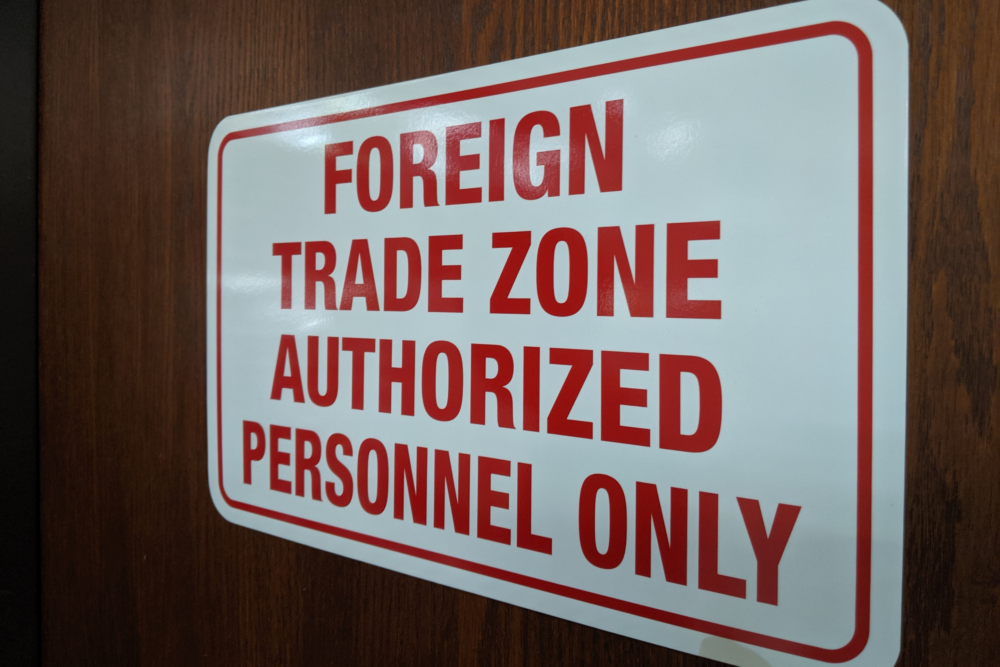
Benefits of Foreign Trade Zones
Duty Deferrals
One of the most recognized FTZ benefits is duty deferral.
Rather than paying duties when merchandise arrives in the United States, companies can defer payment until goods leave the zone and enter U.S. commerce. This allows businesses to retain working capital longer and better align duty payments with inventory movement and sales activity. For high-volume importers, the impact on cash flow can be significant.
Duty Savings Opportunities
FTZs can also help companies reduce overall duty costs. Merchandise admitted into a zone and subsequently exported may avoid U.S. customs duties altogether. Manufacturers may also benefit from inverted tariff opportunities, where the duty rate on a finished product is lower than the rate applied to imported components used in production. Depending on the product, industry, and sourcing model, these savings can create a meaningful competitive advantage.
Streamlining Customs and Supply Chain Operations
Beyond financial benefits, FTZs can help simplify customs processes and improve operational efficiency. Many FTZ operators utilize weekly entry procedures, reducing the number of customs filings and potentially lowering Merchandise Processing Fees. Companies also gain additional flexibility in managing inventory, production schedules, and distribution activities. These efficiencies can become increasingly valuable as organizations seek to build more resilient and responsive supply chains.
Why FTZs Matter More Than Ever
The trade environment of 2026 is far different than the one that existed when the FTZ program was established in 1934. Today’s businesses must contend with evolving tariff policies, geopolitical uncertainty, changing sourcing strategies, and increasing pressure to optimize supply chain performance. As a result, many organizations are taking a fresh look at programs and strategies that can help mitigate costs while maintaining operational agility.
Foreign-Trade Zones remain one of the few trade programs capable of delivering both financial and operational benefits, making them an important consideration for companies evaluating long-term supply chain strategies.
Looking Ahead
As the Foreign-Trade Zone program celebrates its 92nd anniversary, its continued relevance speaks to the strength of the original concept.
What began as an economic development initiative during the Great Depression has evolved into a cornerstone of modern trade and supply chain management. For companies seeking greater efficiency, flexibility, and cost control, FTZs continue to offer advantages that are just as valuable today as they were nearly a century ago.
Our Commitment
OIA Global is committed to keeping clients informed on developments impacting international trade. Our team continues to provide timely updates, industry insights, and guidance to help businesses navigate an evolving global trade environment. To receive timely information on changes, subscribe to receive our email communications for updates.
Related content
-

Tariff Updates
Rates, country designations, and trade rules are all subject to change.
-
Foreign Trade Zones vs. Bonded Warehouses: What’s Right for You?
Both offer tariff mitigation strategies for shippers importing goods into the U.S., but there are critical differences between the two...
-

Customs Brokerage Services
We help you navigate the complex world of international trade regulations with dedicated support.