貨物は影響を受けたか?
最寄りの支店または担当のアカウントマネージャーに連絡する
出荷番号を入力する。

The situation in the Persian Gulf remains fluid, and this page will be updated as new developments occur.
28 June 2026
Last updated June 29th, 2026
Data shows that as of June 25th, 170+ ships had crossed through the strait since the USA/Iran deal was signed on June 17th.
June 15th, 2026: U.S. and Iranian officials agreed on a a 14-point memorandum of understanding (MoU), the “Islamabad Memorandum”, to create a ceasefire, halt the U.S. blockade of Iran, and reopen the Strait of Hormuz.
OIA remains responsive: connect with your local branch or account manager to identify a solution.
Air Freight Information
Jet fuel rose 106.6% year-over-year (YoY), reaching its highest level in more than 23 years. This has pushed cargo yields up, creating an inflationary pricing environment. Fuel costs—not demand—are now the primary driver of freight pricing.
Asian governments are taking defensive measures to prevent fuel shortages—subsidies, export curbs, and work-from-home mandates, etc.—but these are largely short-term solutions that won’t prevent deeper trouble long term. Most of the liquefied natural gas (LNG) that normally passes through the Strait of Hormuz goes to Asia, making the region uniquely dependent.
Europe’s road freight market continues to benefit from uncertainty in the Middle East, with Q1 spot rates surging across key European corridors: France/Belgium, Netherlands, Luxembourg (+102%), France/Germany (+73%), Germany/Poland (+43%), and Poland/Germany (+37%).
European airlines and oil refiners are growing more confident that they can avoid outright jet fuel shortages as plants maximize output; governments tap into strategic reserves, and the region sees boosted imports.
Fatih Birol, Head of the International Energy Agency, estimates that Europe has six weeks of jet fuel remaining.
“We are moving from a crisis that has so far been primarily a crisis of too high prices. Now, we’re moving towards a crisis of supply. This we will see first and primarily on jet fuels. We are approaching this very rapidly.” – Dan Jørgensen, Energy Commissioner of the EU. Jørgensen said the measures could include “possible sharing and redistribution of jet fuels across member states”.
India will provide ₹100B rupees (about USD $1B) to support oil retailers in capping jet fuel prices and shielding local airlines from mounting cost pressures.







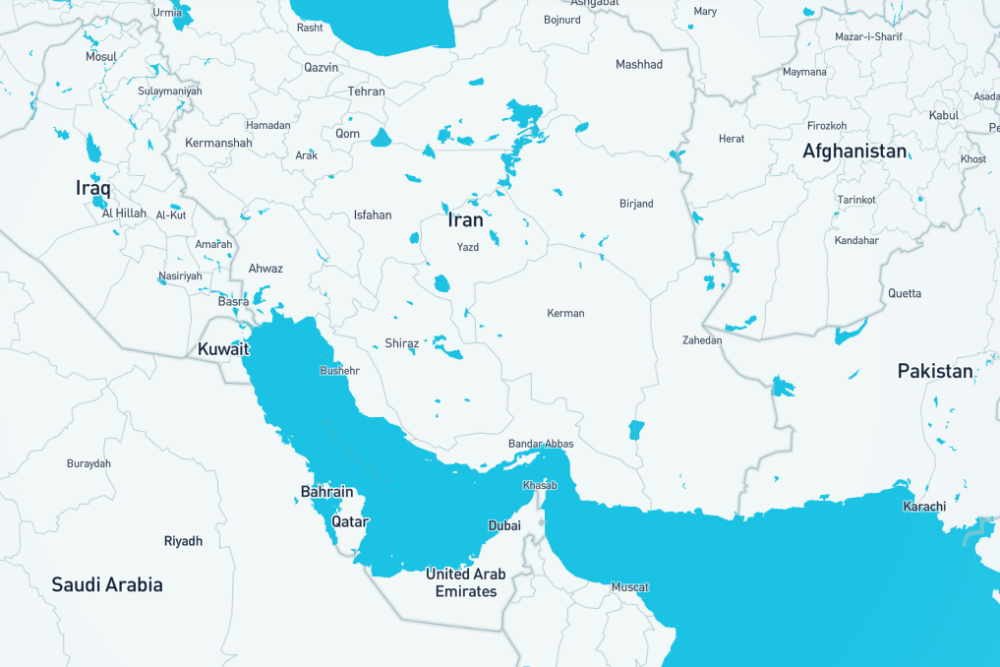
Bahrain, Iran, Iraq, Israel, Kuwait, Lebanon, & Syria.


Airspace is now open in the United Arab Emirates (UAE) and Qatar
Fuel Surcharges: Carriers are implementing 20-40% increases to compensate for increased costs.
Airlines continue to serve Asia-Europe routes via restricted airspace; however, capacity and rates are being affected. Capacity remains available from Asian-flagged carriers who have rights to fly over Russian Airspace and CIS carriers (Silkway, etc.)
Ocean Freight Information
