出荷番号を入力する。

AI Prompt Playbook: Energy
35+ ready-to-use AI prompts for oil & gas, renewables, and utilities—covering MRO logistics, project cargo, hazmat compliance, and remote site operations.



How to Use This Guide
AI is only as useful as the information you give it. Every prompt works better with more context (allocation status, launch dates, current freight rates, etc.)
- Copy any prompt directly into an AI platform (Claude, ChatGPT, Microsoft Copilot, etc)
- Replace the text in [brackets] with your specifics.

Included in This Guide
- Maintenance, Repair, & Operations (MRO)
- Spare parts criticality matrix
- Inventory optimization
- 規制遵守
- Hazmat
- Dual-use export controls
- Renewable Energy Logistics
- Remote site build-out
- Emergencies
- Freight reduction
- Sourcing protocol
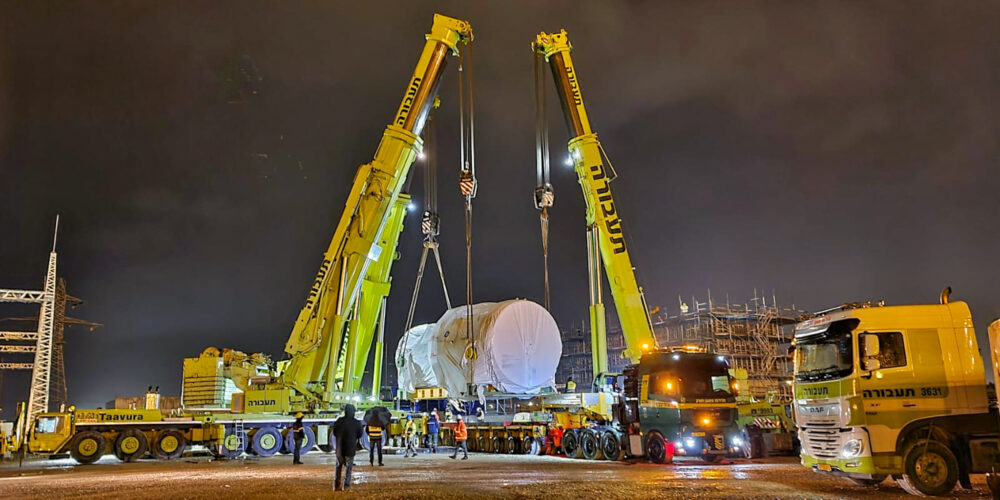
MRO & Spare Parts Management
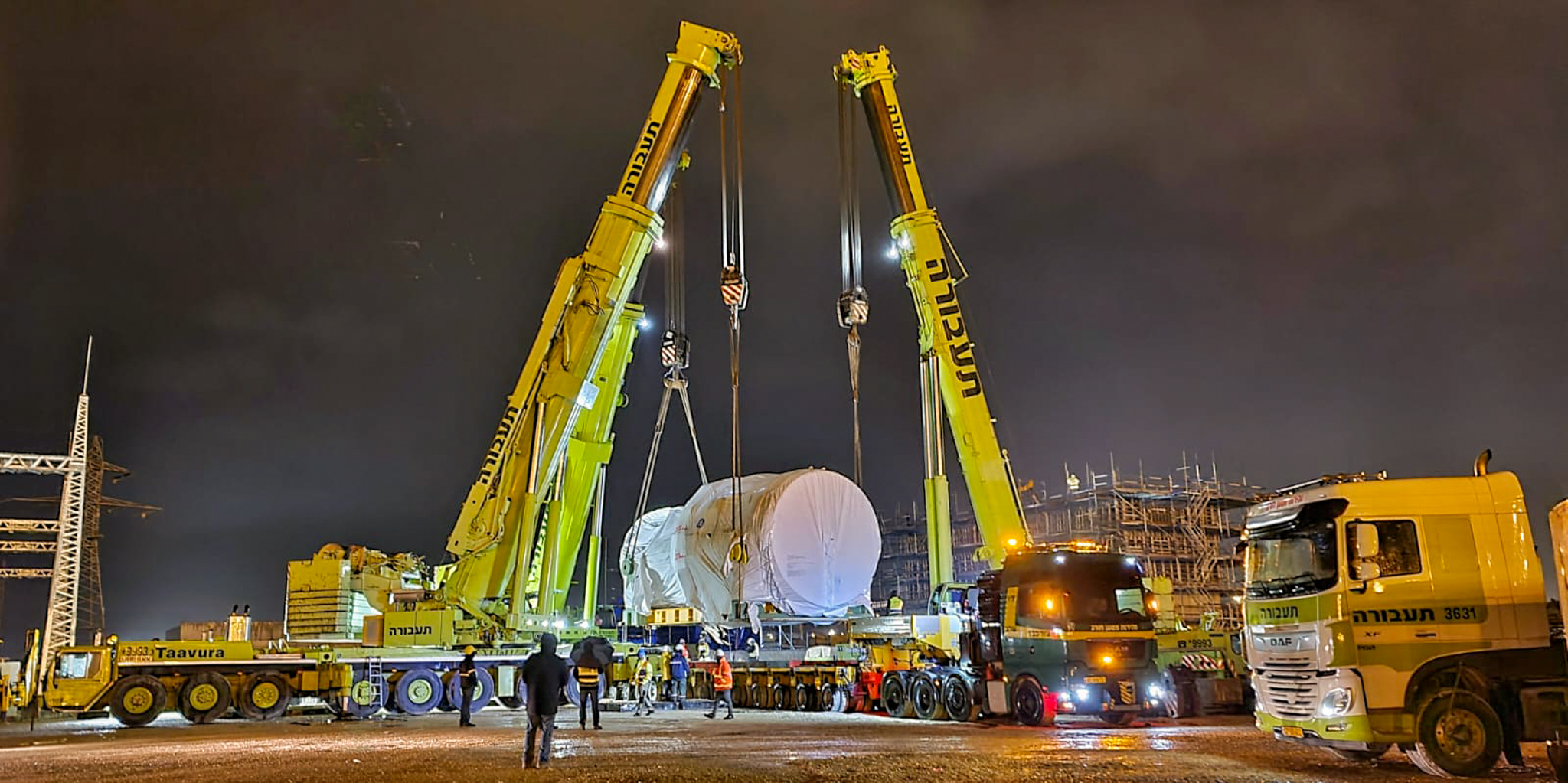
MRO & Spare Parts Management
Critical Spare Parts Risk Matrix
[I manage MRO logistics for an offshore oil platform / wind farm / power generation facility with 24/7 uptime requirements.]
Build a spare parts criticality framework I can use to classify our entire parts catalog. Include: scoring criteria across criticality-to-operations, lead time risk, supplier concentration, and replaceability.
Give me a 4-tier classification model (Critical / High / Medium / Standard) with stocking strategy recommendations for each tier, and the top 5 data inputs I need from maintenance to make this work.
Vendor-Managed Inventory Business Case
Emergency Parts Sourcing Protocol
A critical component just failed at our [facility] and we need a replacement part within [X hours / days] to avoid a production shutdown costing $[X/hour].
Build an emergency sourcing decision tree I can follow under time pressure: authorized distributor network check, OEM direct escalation path, broker sourcing with counterfeit risk mitigation criteria, cross-fleet cannibalization evaluation, and the documentation I need to maintain for audit purposes. Include a script for the initial vendor call to get the fastest response.
Inventory Optimization by ABC/XYZ
I have [X,000] active MRO part numbers. Help me design an ABC/XYZ inventory classification system combining: value (ABC) and demand variability (XYZ).
Give me the classification matrix, recommended stocking policy for each of the 9 combinations, and the data fields I need to pull from our ERP to run the analysis.
3PL Evaluation for Energy MRO
I’m evaluating 3PL partners to manage MRO warehousing and distribution for our energy assets in [region].
Give me the 12 most important evaluation criteria specific to energy sector MRO logistics, weighted by importance, with suggested RFP questions for each. Flag the capability gaps that most general 3PLs miss for energy clients.
Project Cargo & Heavy Lift
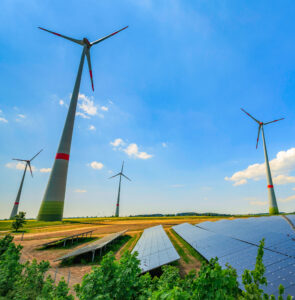
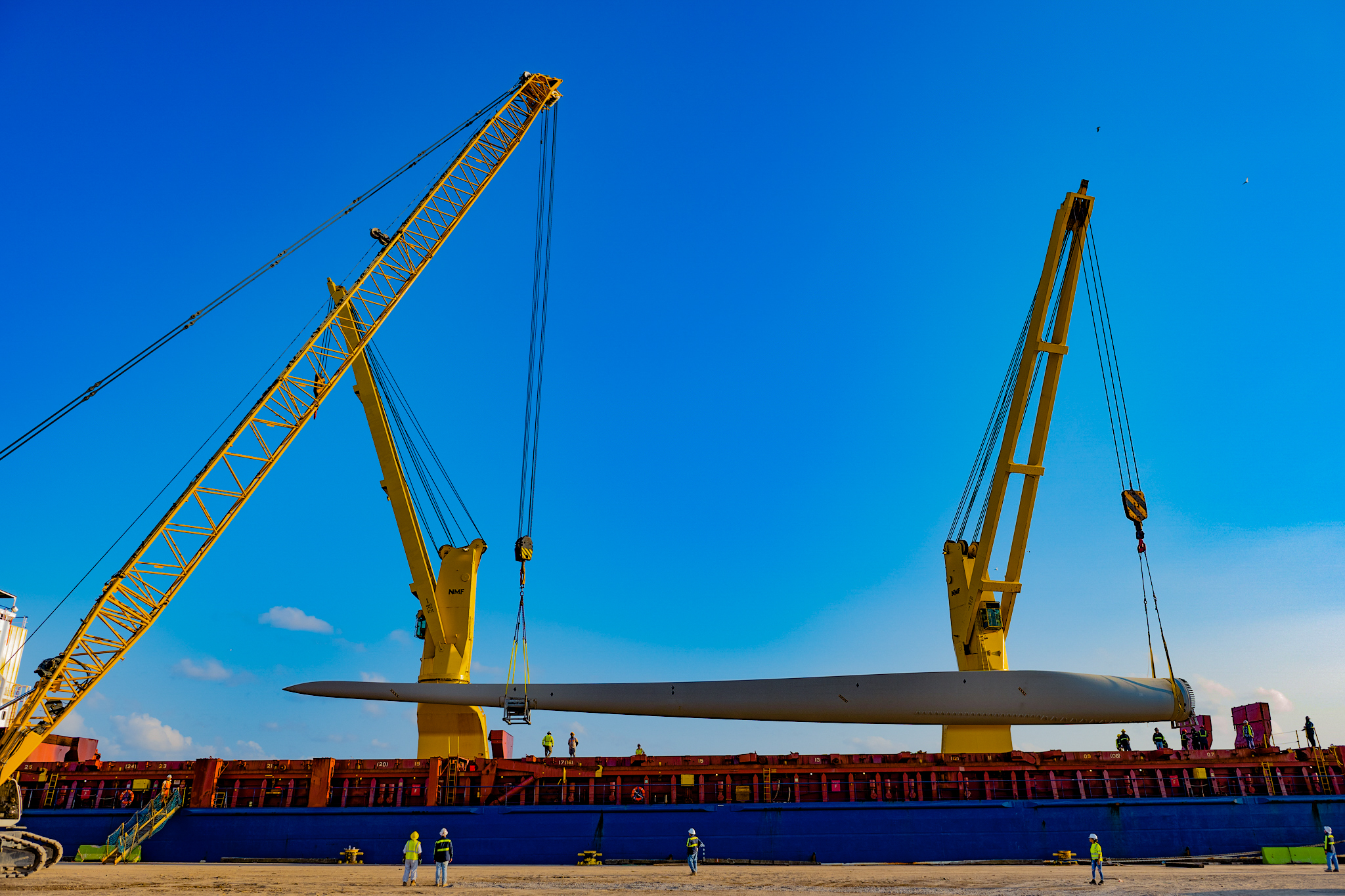
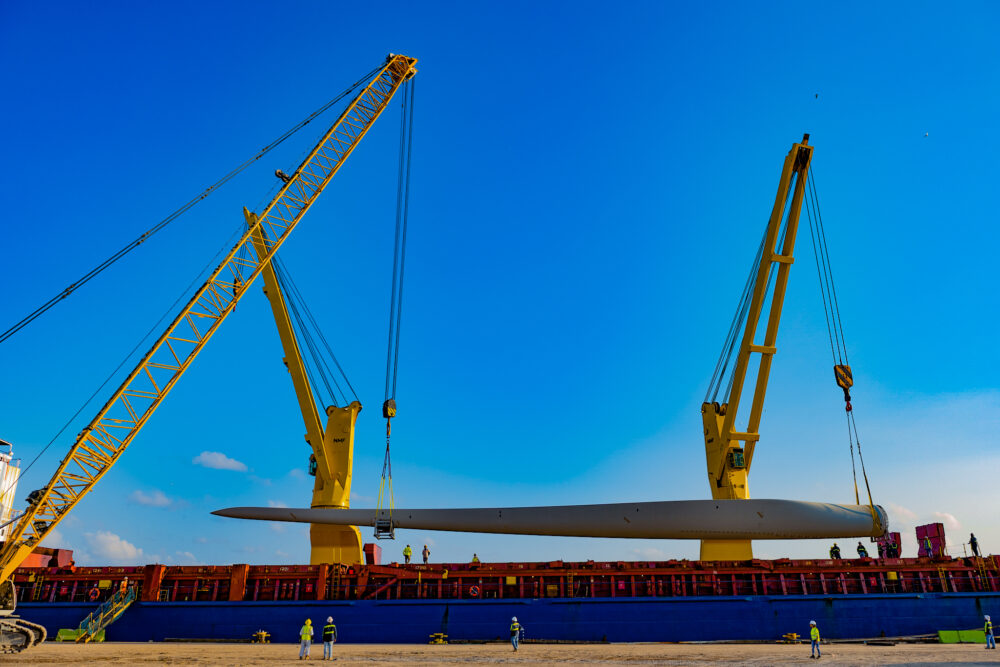
Renewable Energy Component Logistics Plan
[I’m the logistics manager for a utility-scale solar / wind project. We need to move [X] wind turbine towers / nacelles / blades OR [X] MW of solar panels from [manufacturer country] to [project site].]
Build a project logistics framework covering: port-to-site route survey requirements, specialized transport requirements and permit processes, sequenced delivery scheduling to match installation pace, risk mitigation for oversized/overweight permits, and contingency planning for weather or access delays.
Include a vendor qualification checklist for the heavy transport and rigging subcontractors I’ll need.
Note: Add your project site address and port of entry for route-specific considerations.
Remote Site Logistics Build Out
I’m setting up logistics for a new energy project in [country/region]: [describe infrastructure — road quality, nearest port, proximity to rail, customs complexity].
We need to mobilize [equipment/materials list] and establish ongoing MRO supply chains for a [X-year] project duration.
Outline a phased logistics build-out: mobilization phase, construction phase, and steady-state operations. For each phase, identify: key logistics risks, recommended partner types, customs/import strategy, and the infrastructure investments that typically pay back fastest in remote energy logistics.
Note: Works for upstream O&G, mining, renewables construction, and utility infrastructure projects.

Hazmat & Regulatory Compliance

Hazmat & Regulatory Compliance
Dangerous Goods Compliance Brief
I need to ship [commodity: e.g., lithium batteries for drilling equipment / hydrochloric acid / compressed gas cylinders / radioactive well logging tools] from [origin] to [destination] via [air / ocean / truck / multimodal].
Summarize: applicable IATA / IMDG / DOT regulations, UN number and proper shipping name, packaging requirements, documentation checklist, training requirements for staff handling this shipment, and the top 3 compliance errors for this commodity that result in regulatory action or shipment rejection.
Dual-Use Export Controls Assessment
I need to export [equipment/technology/software] used in [energy application] to [destination country]. I’m concerned about dual-use export control requirements.
Walk me through: EAR/ITAR classification considerations for energy equipment, license requirements by destination, end-user certificate requirements, red flag indicators I should screen for, and the internal compliance program elements I need before we start exporting regularly to [region].
Cost & Carrier Management
Cost & Carrier Management
I manage freight spend of approximately $[X]M annually for an energy company. Spend is split across [air freight for critical parts / ocean for major equipment / trucking for domestic / helicopter / vessel charter].
Build a freight spend analytics framework: how to segment and benchmark spend by mode and lane, what KPIs to track monthly, how to identify the highest-leverage cost reduction opportunities in energy logistics (vs. general industrial), and a 90-day quick-win roadmap I can present to my CFO.
Our emergency and expedited freight spend is running at $[X] annually—approximately [X%] of total freight spend. Leadership wants a [X%] reduction without increasing downtime risk.
Build a reduction plan that distinguishes between: true operational emergencies (unavoidable) vs. planning failures (preventable). Include: root cause analysis framework, leading indicators that predict emergency freight events, system/process interventions that reduce frequency, and how to build the business case for the investment required to eliminate the root causes.
Note: In energy, emergency freight is often a symptom of inventory and maintenance planning problems — not a logistics problem.
OIA Global
OIA Global 、エンド・ツー・エンドのサプライチェーン・ソリューションのリーディング・プロバイダーであり、ダイナミックな世界に適応するレジリエントなロジスティクス・サービスを提供している。当社の使命は安心をお届けすること。実績のあるソリューションと卓越したサービスを通じて、OIAはすべてのお客様の成功への道筋を見出すために、それ以上の努力を惜しまない。
OIAの能力は従来の輸送管理にとどまらず、包括的な道路、海上、航空サービス、さらにコントラクト・ロジスティクス、プロジェクト・ロジスティクス、通関を含む。また、革新的なパッケージング・ソリューション、原材料管理、4PLサプライ・チェーンのオーケストレーションも提供している。
By integrating automation, innovation, and AI into daily operations, OIA transforms data into actionable intelligence, enabling smarter decision-making and providing customers with better visibility and agility. OIA maintains expertise in several key industries: automotive and mobility, electronics, energy, healthcare, industrial, and retail and lifestyle, but also provides services in many others. Founded and headquartered in Portland, Oregon, USA, the company now operates 60+ offices in 28 countries with more than 1,200 employees. For more information, connect with OIA on LinkedIn, Instagram, X, Facebook, or YouTube.