Đóng
Đóng
Nhập số lô hàng của bạn.
Đóng

Năng lượng
Giải pháp năng lượng chuỗi cung ứng cho cả hàng hóa có kích thước chuẩn và hàng hóa quá khổ, vượt kích thước chuẩn.

Chúng tôi hỗ trợ chuỗi cung ứng năng lượng toàn cầu bằng cách vận chuyển cơ sở hạ tầng năng lượng quan trọng trên toàn thế giới. Đội ngũ năng lượng chuỗi cung ứng của OIA nhận thức rằng thành công trong lĩnh vực hậu cần vận tải hàng nặng thường phụ thuộc vào việc lập kế hoạch xuất sắc và thực hiện cẩn thận.
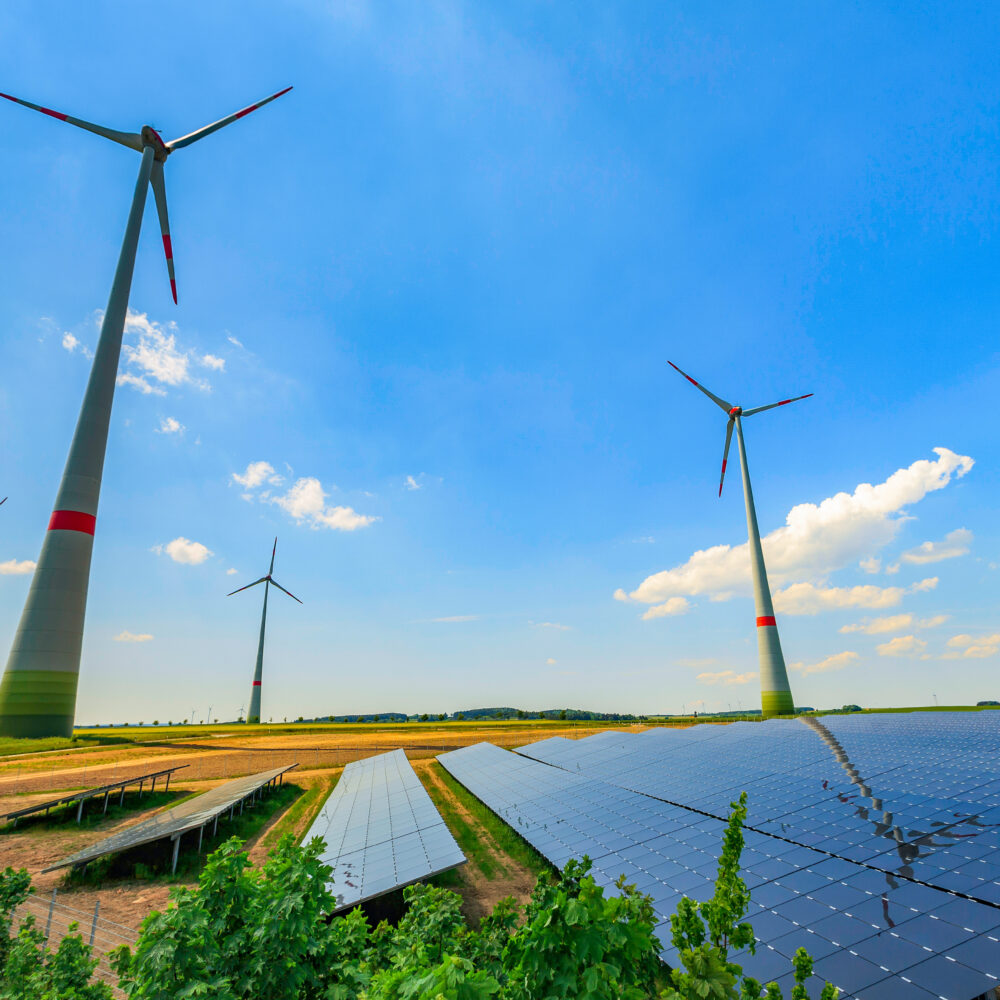
Creativity and adaptability remain critical to any plan, whether it be oversized power plant equipment or sustainable energy infrastructure. Operations teammates regularly handle both in-gauge cargo, such as full container loads or general cargo air freight, as well as out-of-gauge (OOG) or oversized cargo, via breakbulk shipping. OIA develops route plans, method statements, and risk assessments so that all potential scenarios are considered, and so that plans remain adaptable during the shipment journey.
Our personnel don’t just overcome problems; they anticipate them!
OIA’s supply chain energy personnel work to overcome bridges, narrow roads, and countless other obstacles, always prioritizing the safety of all personnel, cargo, and equipment involved in your shipment. Plus, our company’s wide-ranging network scope allows us to scale supply chain energy solutions in tandem with customers’ business growth.
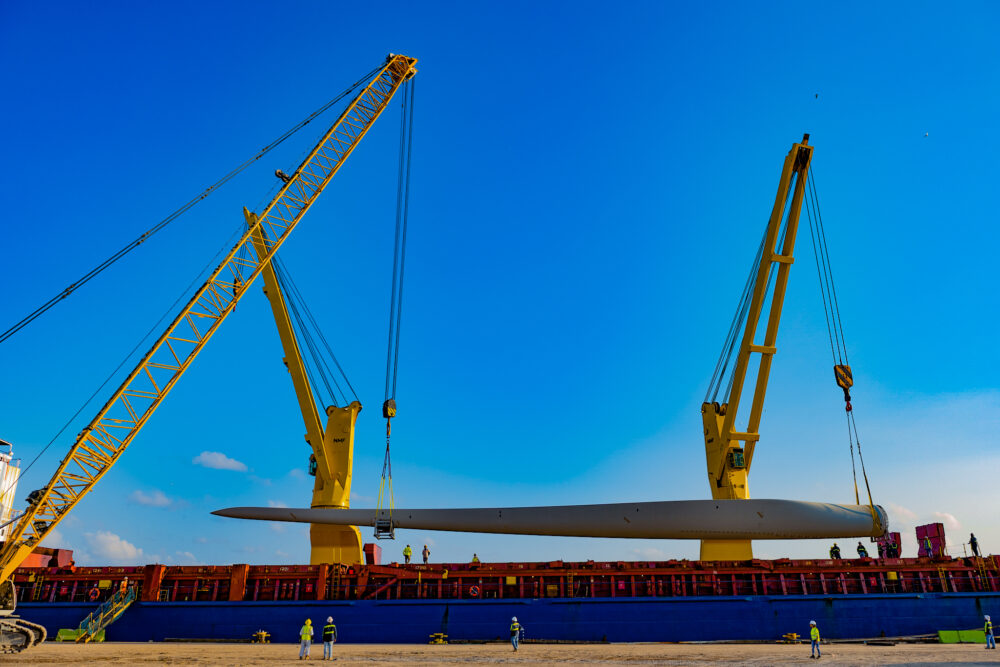
OIA is also a regular finalist at the Heavy Lift Awards, an industry event that highlights the project cargo supply chain, demonstrating that we’re ready to become your trusted supply chain partner wherever your business may operate.
- Hàng hóa quá khổ (OOG) và quá tải
- Vận chuyển Ro-Ro và hàng rời
- Khảo sát hàng hải và tuyến đường
- Vận chuyển hàng hóa nguy hiểm
- Thuê tàu hàng không và đường biển
- Sà lan sông

OIA’s heaviest lift? A 600 MT pile hammer that was used to install offshore wind turbines.
Báo cáo thị trường hàng tháng
Recent trends, data analysis, infrastructure, technology, etc.
Những câu hỏi thường gặp (FAQ)
What types of energy projects require specialized heavy-lift logistics?
Large-scale projects such as offshore wind turbine installations, grid modernization, refineries, and power generation plants often involve transporting turbines, transformers, risers, compressors, etc. This requires tailored lift plans, engineered load-outs, and multimodal routing across ports, rivers, and constrained road networks.
What’s the difference between standard energy cargo and out-of-gauge (OOG) cargo?
Standard cargo fits within container or aircraft dimensional limits; out-of-gauge (OOG) cargo exceeds those limits due to height, width, or length. OOG movements typically require specialized equipment (multi-axle trailers, roll trailers), bespoke lashing, port coordination, and often non-standard permits and escorts.
How should we choose between Ro-Ro, breakbulk, and charter options for energy shipments?
Selection depends on dimensions, weight, origin–destination pairs, sailing frequency, and cargo sensitivity. Ro-Ro enables drive-on stability for wheeled or modular units, breakbulk suits static heavy items with crane handling, and charters provide schedule control and deck space for unique load configurations.
What risk controls are essential for moving high-value energy assets?
Core controls include lift studies, weather windows, rigging redundancy, shock/tilt monitoring, tamper-evident seals, custody audits, and contingency routing. For critical-path components, dual-path planning and inventory buffers prevent downstream delays.
What’s involved in marine and route surveys for energy cargo?
Surveys assess berth suitability, crane reach, deck strength, tidal windows, road geometry, overhead restrictions, and bridge ratings. Outputs include method statements and sequencing plans that align ports, carriers, and site teams to execute lifts safely and on time.
What documentation is critical for cross-border energy shipments?
Essential documentation includes commercial invoices, packing lists, certificates of origin, permits for oversize/overweight moves, hazardous declarations (where applicable), insurance certificates, and project-specific method statements. Proper harmonized codes and valuation prevent customs holds.
Nội dung liên quan
-
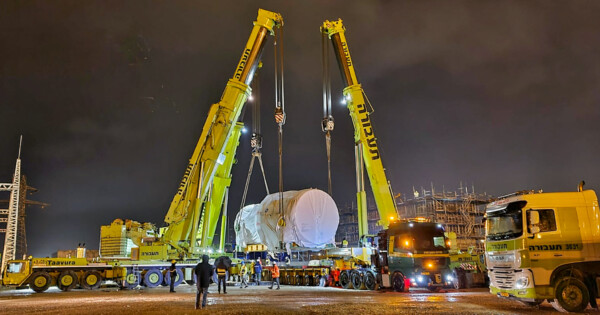
AI Prompt Playbook: Energy
35+ ready-to-use AI prompts for oil & gas, renewables, and utilities—covering MRO logistics, project cargo, hazmat compliance, and remote site operations.
-
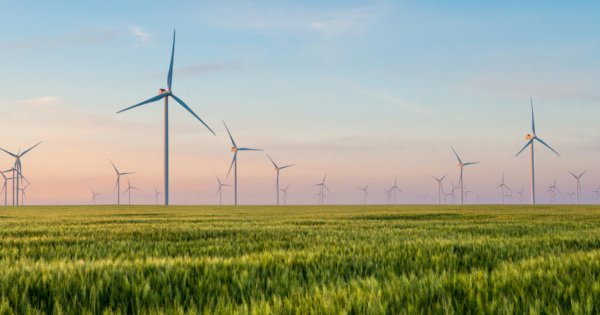
Vận chuyển cơ sở hạ tầng năng lượng xanh trên toàn thế giới
OIA điều phối các lô hàng nhập khẩu trước khi vận chuyển các linh kiện đến các địa điểm khác nhau trên toàn thế giới.
-

Vận chuyển hàng hóa năng lượng tái tạo quá khổ qua những ngọn núi hẹp
Vận chuyển trục rôto nặng 113 tấn từ một nhà máy ở Thụy Sĩ đến một nhà máy thủy điện ở miền bắc Italy.