


Proporcionamos paz de espírito
OIA Global provides resilient supply chain solutions that adapt to a dynamic world.
Digite o número de sua remessa.

A proven solution for importers seeking duty savings, stronger cash flow, and more supply chain flexibility.
Foreign Trade Zones (FTZs) are designated areas in or near a U.S. port of entry that are considered outside U.S. Customs and Border Protection (CBP) territory for duty assessment purposes.
Through OIA Global’s FTZ operations, businesses can import, store, manufacture, and distribute merchandise without immediately paying applicable duties or tariffs. By deferring duty payments until goods enter U.S. commerce, companies can improve cash flow, better manage landed costs, and create greater flexibility across their supply chain.
Beyond duty deferral, FTZs can help businesses streamline customs compliance, support inventory strategies, and adapt to changing trade regulations. Every operation is different, which is why OIA evaluates each customer’s supply chain to develop an FTZ strategy tailored to their specific business objectives.
We provide comprehensive FTZ services, from feasibility assessments and zone activation to bond setup, compliance oversight, and day-to-day zone operations. Backed by experienced FTZ operators, customs brokerage expertise, and integrated supply chain solutions, we help businesses maximize the long-term value of their Foreign Trade Zone program.
Delay duty payments until imported merchandise enters U.S. commerce. By postponing duties until products leave the FTZ, businesses can improve cash flow and preserve working capital.
No duties are owed on merchandise that is exported directly from the FTZ, helping reduce costs for companies serving international markets.
When eligible, companies can pay the duty rate on the finished product rather than on individual imported components, potentially lowering overall import costs.
Consolidate multiple shipments into a single weekly customs entry, reducing Merchandise Processing Fees (MPF) and minimizing administrative costs.
Store imported merchandise in an FTZ for an unlimited period without paying duties until the goods enter U.S. commerce, providing greater inventory flexibility.
Manufacture, assemble, test, repair, or repackage goods within the FTZ while taking advantage of customs benefits and operational efficiencies.
Simplify customs procedures with streamlined reporting, improved inventory controls, and enhanced compliance with CBP requirements.
Adapt to changing demand by importing, storing, processing, and distributing goods more efficiently while reducing customs-related delays and costs.
Every Foreign Trade Zone program is unique. OIA Global works closely with each customer to evaluate their products, supply chain, operational processes, and business objectives to determine the most effective FTZ strategy. Factors such as customs status, inventory flow, manufacturing activities, and current trade regulations all influence how an FTZ should be structured.
Not all merchandise is eligible for admission into a Foreign Trade Zone, and certain products may be subject to additional restrictions or regulatory requirements. OIA helps customers determine product eligibility and maintain compliance with all applicable U.S. Customs and Border Protection (CBP) regulations.
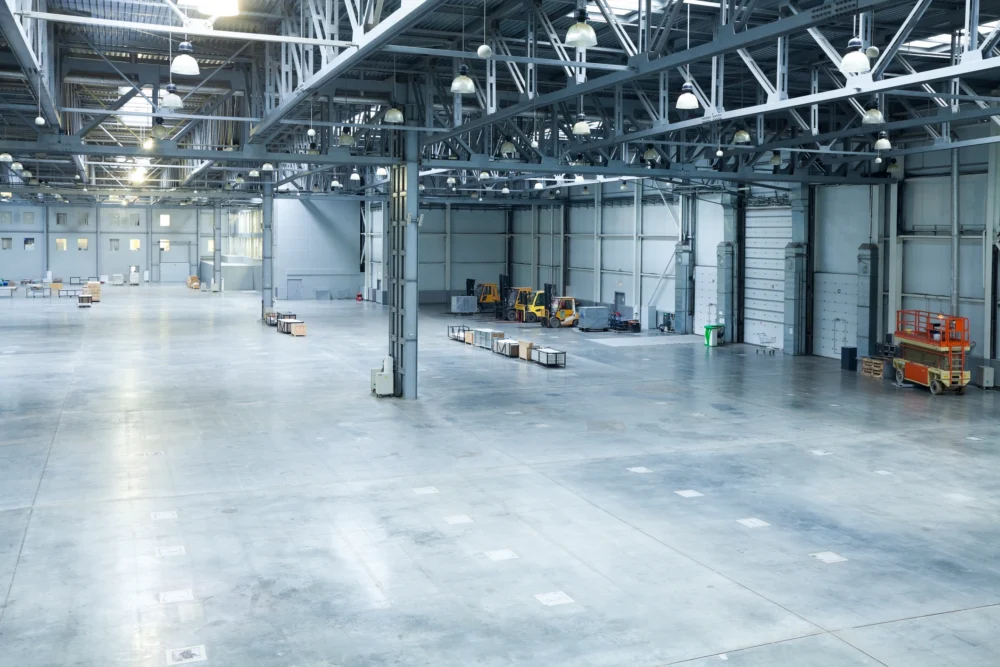
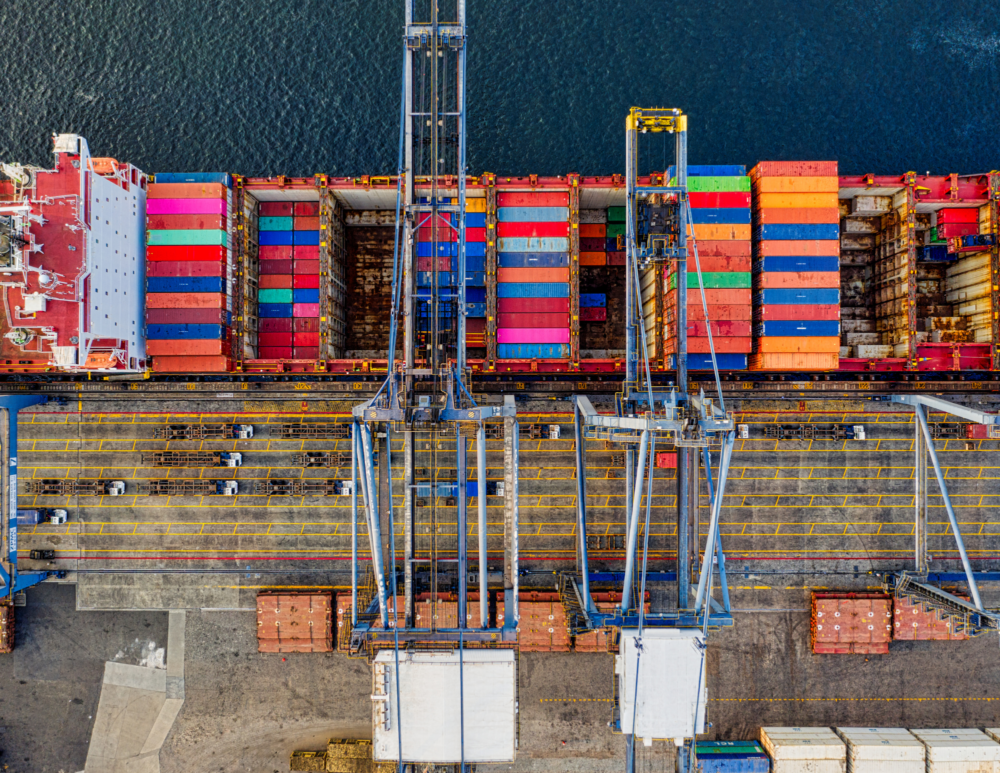
A Foreign Trade Zone (FTZ) is a secure area within the United States where imported goods can be stored, manufactured, assembled, or processed before entering U.S. commerce. Companies can benefit from deferred, reduced, or eliminated customs duties while improving supply chain efficiency.
Manufacturers, distributors, importers, exporters, retailers, and companies with high import volumes often benefit the most from FTZ programs. Industries such as automotive, electronics, consumer goods, healthcare, and industrial manufacturing commonly utilize FTZs.
OIA Global provides end-to-end FTZ support, including zone activation, compliance management, customs reporting, operational guidance, and ongoing program administration. We also offer inventory management solutions on a case-by-case basis, depending on each customer’s operational requirements. Backed by customs brokerage expertise and experienced FTZ professionals, we help businesses maximize the value of their FTZ program while maintaining compliance with U.S. Customs and Border Protection (CBP) regulations.
Merchandise admitted into a Foreign Trade Zone may be designated as either Privileged Foreign (PF) Status or Non-Privileged Foreign (NPF) Status, depending on a company’s operations and business objectives.
The selected status determines how duties are assessed when merchandise enters U.S. commerce. Privileged Foreign Status generally fixes the duty rate and classification based on the merchandise’s condition at the time it is admitted into the FTZ. In contrast, Non-Privileged Foreign Status generally allows the duty rate and classification to be determined when the merchandise leaves the FTZ and enters U.S. commerce, subject to applicable regulations.
Because customs treatment depends on factors such as product classification, manufacturing activities, and current trade regulations, OIA Global evaluates each customer’s operation to recommend the most effective FTZ strategy.
Every supply chain is unique, and there is no one-size-fits-all approach to Foreign Trade Zones. OIA Global evaluates your products, operational processes, inventory flow, and current customs regulations to recommend the most effective FTZ structure and customs status. Our team helps ensure your FTZ program is designed to support compliance, operational efficiency, and long-term business objectives.
While both Foreign Trade Zones and Bonded Warehouses allow businesses to defer duty payments, they serve different operational needs. FTZs generally offer greater flexibility by allowing activities such as manufacturing, assembly, and broader inventory management, while Bonded Warehouses are primarily designed for the storage of imported goods under Customs supervision. OIA Global can help determine which solution best aligns with your supply chain, operational requirements, and business objectives.
OIA Global provides resilient supply chain solutions that adapt to a dynamic world.